
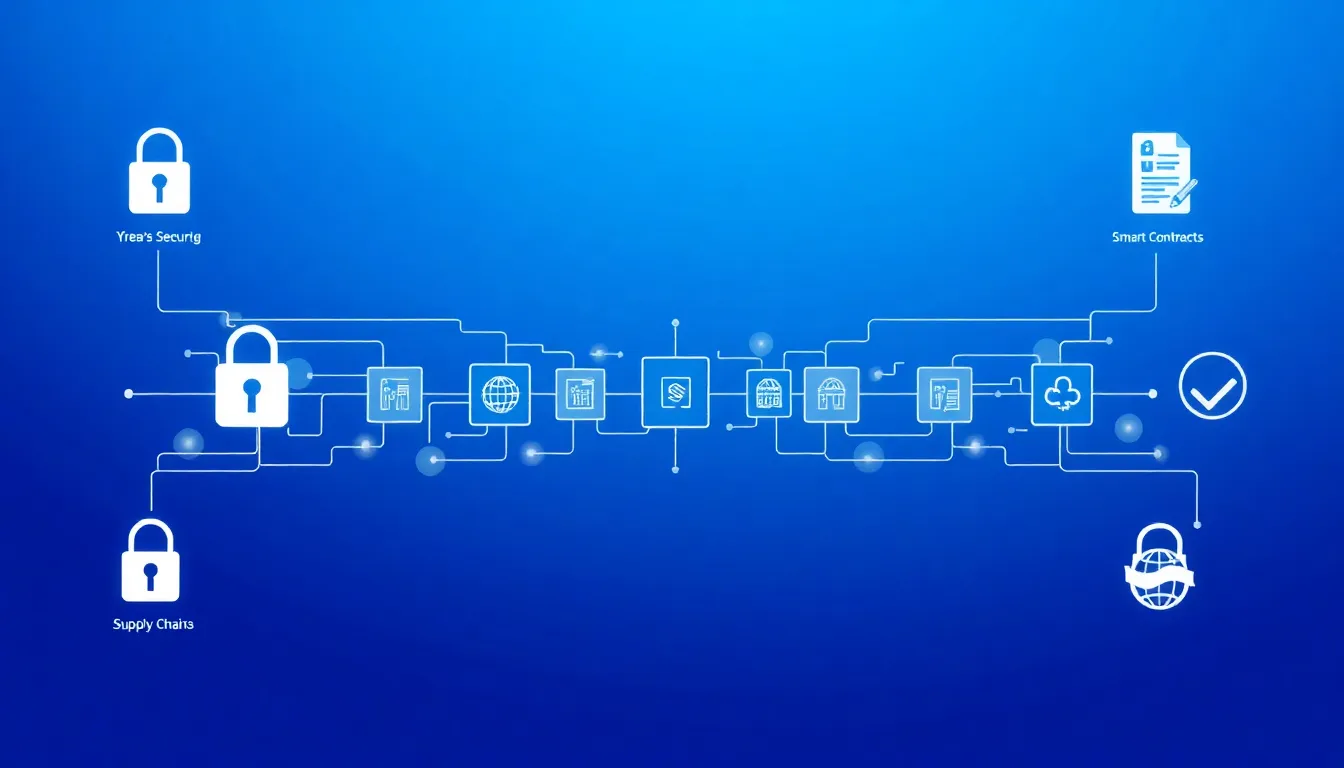
Blockchain explained for beginners doesn’t have to be confusing. This technology powers cryptocurrencies like Bitcoin, but its uses extend far beyond digital money. At its core, blockchain is a shared digital record that stores information across many computers. No single person or company controls it. That’s what makes it different from traditional databases. This guide breaks down how blockchain works, why it matters, and where people use it today. Whether someone is curious about crypto or wants to understand the tech behind it, this article covers the essentials in plain language.
Table of Contents
ToggleKey Takeaways
- Blockchain is a shared digital ledger that stores data across many computers, making it decentralized and resistant to tampering.
- Unlike traditional databases, no single entity controls a blockchain—trust comes from cryptography and network consensus.
- Transactions are verified by network nodes, grouped into blocks, and permanently linked using unique codes called hashes.
- Key features like transparency, immutability, and smart contracts make blockchain useful far beyond cryptocurrency.
- Real-world applications include cross-border payments, supply chain tracking, healthcare records, voting systems, and digital ownership through NFTs.
- Understanding blockchain explained for beginners helps you see how this technology is reshaping finance, security, and data management.
What Is Blockchain Technology
Blockchain is a type of distributed ledger technology. It records transactions across multiple computers in a network. Each record is called a “block,” and these blocks link together in a chain, hence the name.
Think of it like a shared Google Doc that many people can view and verify, but no one can secretly edit or delete past entries. Every participant in the network holds a copy of the entire ledger. When a new transaction occurs, the network checks it and adds it to the chain.
The key difference between blockchain and a regular database? Control. Traditional databases have a central authority that manages all the data. Blockchain spreads that control across thousands of computers. This setup makes it very hard for anyone to tamper with the records.
Blockchain technology first appeared in 2008 as the foundation for Bitcoin. A person (or group) using the name Satoshi Nakamoto introduced it in a white paper. Since then, developers have created thousands of different blockchains for various purposes.
Some blockchains are public. Anyone can join and participate. Others are private or permissioned, meaning only approved users can access them. Both types share the same basic structure: blocks of data linked together through cryptography.
How Blockchain Works
Understanding how blockchain works requires knowing a few key steps. Here’s the process broken down:
Step 1: A Transaction Happens
Someone initiates a transaction. This could be sending cryptocurrency, recording a contract, or logging a piece of data. The transaction request goes out to the network.
Step 2: The Network Verifies It
Computers in the network (called nodes) check the transaction. They confirm whether the sender has the authority and resources to make it. Different blockchains use different methods for this verification. Bitcoin uses “proof of work,” where computers solve complex math problems. Ethereum recently switched to “proof of stake,” where validators put up cryptocurrency as collateral.
Step 3: The Block Gets Created
Once verified, the transaction joins other verified transactions in a new block. Each block contains a unique code called a “hash.” It also contains the hash of the previous block. This linking creates the chain.
Step 4: The Block Joins the Chain
The new block gets added to the existing blockchain. Every node in the network updates its copy of the ledger. The transaction is now permanent and visible to all participants.
This process takes different amounts of time depending on the blockchain. Bitcoin transactions typically take about 10 minutes. Other blockchains can process transactions in seconds.
The hash system makes blockchain secure. If someone tries to change data in an old block, the hash changes. That breaks the link to the next block. The network quickly spots this mismatch and rejects the altered version.
Key Features That Make Blockchain Unique
Several features set blockchain apart from traditional record-keeping systems:
Decentralization
No single entity controls the network. Power spreads across all participants. This removes the need for a trusted middleman like a bank or government agency.
Transparency
Public blockchains let anyone view the entire transaction history. Every wallet address and its balance is visible. Users remain pseudonymous (identified by wallet addresses, not names), but the data itself is open.
Immutability
Once data enters the blockchain, changing it becomes nearly impossible. The cryptographic links between blocks and the distributed nature of the network prevent tampering. This makes blockchain useful for records that need to stay permanent.
Security
Blockchain uses advanced cryptography to protect data. Each transaction gets a digital signature. The distributed structure means hackers would need to attack more than half the network simultaneously to alter records, an extremely difficult task.
Automation Through Smart Contracts
Some blockchains support smart contracts. These are self-executing programs that run when certain conditions are met. For example, a smart contract could automatically release payment when goods arrive at a destination. No human needs to approve it.
These features make blockchain explained for beginners easier to grasp when tied to real benefits. Trust comes from math and code, not from faith in institutions.
Real-World Applications of Blockchain
Blockchain technology has moved well beyond cryptocurrency. Here are some practical uses happening today:
Finance and Payments
Banks use blockchain for cross-border payments. Traditional international transfers can take days. Blockchain-based transfers can settle in minutes or hours. Companies like Ripple work with major banks to speed up this process.
Supply Chain Tracking
Blockchain helps track products from origin to store shelf. Walmart uses it to trace food products. If contamination occurs, the company can identify the source within seconds instead of days.
Healthcare Records
Patient records stored on blockchain remain secure and accessible to authorized providers. Patients can control who sees their data. This solves problems with fragmented medical records across different hospitals.
Voting Systems
Some governments experiment with blockchain-based voting. The technology could make elections more transparent and harder to manipulate. Estonia has used blockchain for government services for years.
Digital Identity
Blockchain can store identity credentials securely. Users control their own data instead of relying on companies to protect it. This approach reduces identity theft risks.
NFTs and Digital Ownership
Non-fungible tokens (NFTs) use blockchain to prove ownership of digital items. Artists sell digital artwork. Gamers own in-game items that they can trade or sell.
These applications show why blockchain explained for beginners matters beyond just cryptocurrency investing. The technology changes how people store, share, and verify information.